
Why Freeze‑Dried Fruit Powder is Better (And Worth the Price)
Freeze-dried fruit powder retains more nutrients and requires no additives. Spray-dried versions need excipients. Here’s why purity matters.

🧊 What Is Freeze‑Drying and Why Does It Matter?
Freeze‑drying (lyophilisation) is a low‑temperature process that removes water by freezing the fruit and then turning the ice directly into vapour – a process called sublimation. Because the entire procedure takes place at low temperatures, the delicate structure of the fruit, its natural colour, flavour, and most importantly its nutrients, are preserved.
By contrast, spray‑drying blasts fruit juice concentrate with extremely hot air (often 150–200 °C). The high temperature instantly vaporises the liquid, leaving a powder. While fast and cheap, the intense heat destroys many heat‑sensitive phytonutrients and forces manufacturers to add “carriers” just to make the process work.
“Freeze‑drying was consistently the most effective technique for retaining vitamin C levels. Some studies even reported an increase in vitamin C levels, possibly due to the breakdown of the fruit matrix, which made the nutrient more available.”
⚗️ What Are Excipients and Why Are They Needed in Spray‑Dried Powders?
Excipients are inactive substances added to a product to help with processing, stability, or consistency. In spray‑dried fruit powders they are not optional – they are a necessity.
When fruit juice is subjected to high‑heat spray‑drying, the natural sugars and acids can become sticky, causing the powder to clump and clog the equipment. To prevent this, manufacturers add excipients such as:
-
Maltodextrin (often derived from corn, rice, or tapioca)
-
Calcium hydroxide (a pH regulator)
-
Oxidised starch or gum arabic
Take acerola cherry powder as an example. A commercially available spray‑dried acerola product typically contains:
-
70–90% acerola cherry fruit
-
10–20% organic tapioca maltodextrin (excipient)
-
0–5% calcium hydroxide (processing aid)-
That means every 100 g of spray‑dried acerola powder could contain up to 20 g of maltodextrin and other additives – none of which contribute to the nutritional benefits of the fruit.
A patent analysis confirms that “a large amount of maltodextrin has to be added so as to obtain dry juice powder by general spray drying”. Freeze‑drying, however, does not require any such carriers. The result is a 100% pure fruit powder nothing added, nothing taken away.
🔬 Freeze‑Dried vs. Spray‑Dried: A Scientific Head‑to‑Head
| Feature | Freeze‑Dried Powder 🟢 | Spray‑Dried Powder 🟠 |
|---|---|---|
| Processing temperature | Low (sublimation) | High (150–200 °C) |
| Excipients / carriers | None | Maltodextrin, calcium hydroxide, starches |
| Vitamin C retention | Very high; can even increase bioavailability | Lower; heat degradation occurs |
| Colour & flavour | Retains natural fruit colour and true taste | Often darker or “cooked” flavour |
| Bioactive compounds | High retention of polyphenols, carotenoids, anthocyanins | Lower retention of heat‑sensitive phytonutrients |
| Nutritional density | Concentrated, whole‑fruit nutrition | Diluted by excipients |
| Cost | Higher (reflects superior quality) | Lower (mass‑produced with fillers) |
A 2022 study on acerola‑ceriguela mixed pulp concluded that freeze‑drying resulted in higher retention of ascorbic acid, total carotenoids, and phenolic compounds, and that freeze‑dried powder also achieved “greater sensorial acceptance.”
“The active compound content such as L‑arginine, magnesium (Mg), and potassium (K) in a powder made from tender coconut water processed by freeze drying … is higher than the product obtained through spray‑drying method.”
🍒 Acerola Cherry: Nature’s Vitamin C Powerhouse
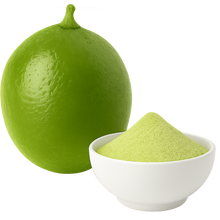
Acerola cherry (Malpighia emarginata) is one of the richest natural sources of vitamin C. But not all acerola powders are equal.
Freeze‑drying acerola at low temperatures keeps the fruit’s fragile ascorbic acid, carotenoids, and phenolic compounds intact. As the fruit matures, its sugar content rises while vitamin C can decline, so picking and processing at the optimal moment is critical – another advantage of a careful, low‑impact freeze‑drying approach.
Spray‑dried acerola, on the other hand, must add maltodextrin and calcium hydroxide to survive the high‑heat process. Those fillers are not present in Seriously Organic’s freeze‑dried acerola powder. You get 100% fruit and nothing else.
🥥 Coconut Water Powder: Electrolytes Without the Extras
Coconut water is nature’s sports drink rich in potassium, magnesium, and the amino acid L‑arginine. However, it rapidly deteriorates once exposed to air and warm temperatures, losing most of its nutritional benefits-.
Freeze‑drying locks in those delicate electrolytes and phytonutrients. The result is a powder that rehydrates into a beverage almost identical to fresh coconut water. Spray‑dried coconut water powder, by contrast, suffers from heat‑related nutrient loss and often requires anti‑caking agents to remain free‑flowing.
“Coconut water freeze dried to preserve vital nutrients, contains no refined sugars, has no cholesterol, is fat free, and is low in calories.”
When you choose Seriously Organic freeze‑dried coconut water powder, you are choosing clean hydration without hidden starches or processing aids.
🫐 Acai Berry: Antioxidant Density That Demands Gentle Processing
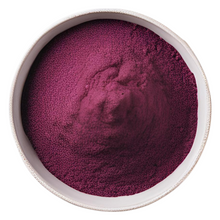
Acai (Euterpe oleracea) has been repeatedly shown to have exceptionally high antioxidant capacity, particularly against superoxide and peroxyl radicals. Its deep purple colour comes from anthocyanins the same compounds that give red wine and blueberries their protective effects.
But acai’s potency is fragile. As one researcher noted, “freeze‑drying is superior to spray‑drying or air‑drying in retaining phytochemicals and nutrients, but more expensive.”
That is precisely why Seriously Organic uses freeze‑dried acai. We choose the superior method because we believe you deserve the full antioxidant potential of the berry, not a diluted, heat‑damaged version.
🌱 Clean Label, No Excipients: What Australian Consumers Want
The demand for transparent, additive‑free food is stronger than ever. In Australia, clean label and transparency are now among the top food trends – consumers want “short ingredient lists, no additives, and full traceability.”
The Australia Clean Label Ingredients Market stood at USD 38.77 Million in 2024 and is projected to reach USD 83.81 Million by 2033. People are actively seeking out products with minimal processing and no hidden fillers.
Freeze‑dried fruit powders are a perfect fit for this movement. A single ingredient – the fruit itself – is all you see on the label. No maltodextrin, no calcium hydroxide, no starch. That is clean label at its best.
💰 Why the Higher Price Is Justified (and Actually Better Value)
It is true that freeze‑dried powders cost more than spray‑dried alternatives. But comparing them on price alone is misleading. Consider what you are actually paying for:
-
Higher nutrient density – More vitamin C, more polyphenols, more active compounds per gram. You need to use less to achieve the same benefit.
-
No hidden fillers – With spray‑dried products you are paying for up to 20 % maltodextrin or other excipients. That is money spent on empty calories.
-
True flavour and colour – Freeze‑dried powders rehydrate into beverages that taste like the fresh fruit, not a “cooked” or flat version.
-
Versatility – Clean, single‑ingredient powders can be used in smoothies, baking, skincare, and supplements without introducing unwanted additives.
When you choose freeze‑dried over spray‑dried, you are choosing quality over quantity. A small amount of pure freeze‑dried powder often delivers more nutrition than a larger amount of diluted, filler‑laden spray‑dried powder.
The Australia freeze‑dried fruits and vegetables market stood at USD 542.12 Million in 2025 and is anticipated to reach USD 7.45 Billion by 2034, growing at a CAGR of 34.11 %. Consumers are voting with their wallets for the superior quality of freeze‑dried products.
📦 Seriously Organic: Pure, Potent, Additive‑Free
At Seriously Organic, every batch of our fruit powders is freeze‑dried to preserve nature’s original goodness.
-
100% pure freeze‑dried acerola cherry powder – no maltodextrin, no calcium hydroxide, no excipients.
-
Freeze‑dried coconut water powder – electrolytes and hydration without fillers or anti‑caking agents.
-
Freeze‑dried acai berry powder – antioxidant‑dense and processed gently to retain its full phytonutrient profile.
We never use spray‑drying. We never add excipients. Our powders are organic, clean label, and uncompromisingly pure.
🔍 Final Verdict: Freeze‑Drying Is the Gold Standard
Spray‑drying prioritises low cost and high speed at the expense of nutrition and purity. Freeze‑drying prioritises what actually matters – the integrity of the fruit, the retention of its delicate nutrients, and a clean ingredient list you can trust.
The scientific evidence is clear: freeze‑drying consistently outperforms spray‑drying for vitamin C retention, bioactive compound preservation, and sensory quality. And for the health‑conscious consumer, an additive‑free powder is not a luxury – it is a necessity.
🧾 Quick Reference: What to Look for on Labels
| If you see this on the label … | It means … |
|---|---|
| “Freeze‑dried” | Low‑temperature processing, nutrient‑preserving. ✅ |
| “Spray‑dried” | High‑heat processing, nutrient‑degrading. |
| “Maltodextrin” | An excipient / filler added to enable spray‑drying. |
| “Calcium hydroxide” | A pH regulator / processing aid (common in spray‑dried acerola). |
| *“100% fruit / no additives”* | The product is pure – no hidden carriers. ✅ |
Let us know in the comments: which freeze‑dried fruit powder are you most excited to try?